mobile menu close icon mobile menu icon

Chlorine (Cl2) Gas Detectors

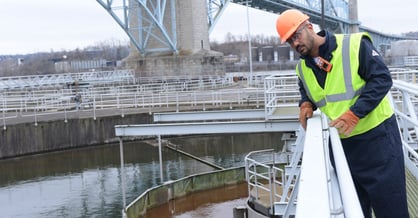
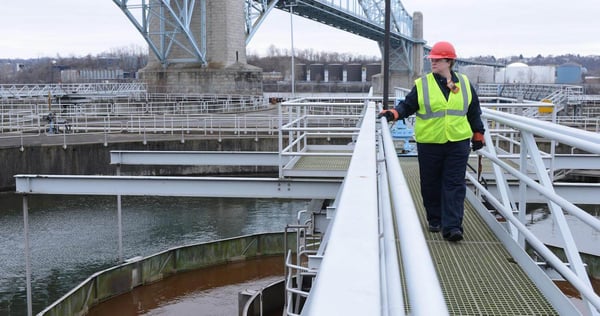
Chlorine (Cl2) is used in many industries, including pharmaceutical, food and beverage, pulp and paper, electronics, and wastewater treatment. Specifically, chlorine is used in manufacturing plastics, pesticides, gasoline additives, brake fluid, and antifreeze. Oil refineries inject chlorine directly into stacks to reduce sulfur emissions. Proper chlorine gas detection is essential in locations where workers are likely to be exposed to toxic Cl2 gas, such as in storage tanks or near processing units.

linkedin-In-Stream_Wide___Wastewater
Sections

How to Detect Chlorine

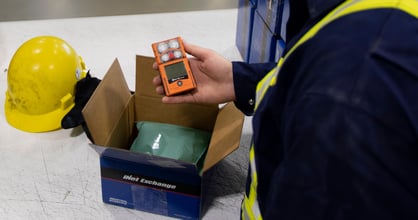
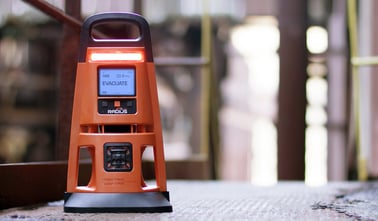
For the most reliable and accurate detection of chlorine gas, Industrial Scientific offers the Radius® BZ1 Area Monitor, the MX6 iBrid® and Ventis® Pro5 portable multi-gas detectors, and the GasBadge® Pro personal single-gas detector.

Multi-Gas Monitor

Ventis Pro5

learn more arrow icon
Multi-Gas Monitor

MX6 iBrid

learn more arrow icon
Area Monitor

Radius BZ1

learn more arrow icon
SINGLE-GAS MONITOR

GasBadge Pro

learn more arrow icon

Characteristics of Chlorine

 Although not classified as an explosive gas, chlorine will react explosively or form an explosive compound when combined with substances like acetylene, ether, turpentine, ammonia, hydrogen, and fuel gas.

More about Chlorine expand table collapse table

CHLORINE - Cl2

Hazard:
Flammable
Will not explode
Classification:
Health
Extremely toxic
Classification:
Oxidizing
Oxidizing agent
Synonyms:
Chlorine gas, molecular chlorine
Exposure limits:
(OSHA)
PEL\TWA: 1 ppm
(ACGIH)
STEL: 1 ppm/ 15 min.
(OSHA)
IDLH: 30 ppm / 30 min.
Industries:
Municipal pools, pulp and paper, wastewater treatments plants, Hazmat, railroad yards

Effects of Various Cl2 Levels

CL2 Level in PPM
Resulting Conditions on Humans
.5
Permissible Exposure Level (OSHA, ACGIH).
3
Irritation of the mucous membranes, eyes, and respiratory tract.
3.5
Produces an easily detectable odor.
15
Causes immediate irritation of the throat.
30
Maximum exposure for 30 minute period.
100-500
Pain, tightness in the chest, and death results from prolonged exposure.
Frequently Asked Questions

What does a chlorine gas detector do?

A chlorine gas detector continuously monitors the air for chlorine (Cl2) and alerts workers when concentrations reach unsafe levels. It provides real-time readings and immediate alarms to help prevent exposure and support faster response in industrial environments.


What level of chlorine causes a chlorine gas detector to alarm?

More chlorine gas detectors use multiple alarm set points to warn workers early. Common settings include a low alarm around 0.5 ppm and a high alarm around 1.0 ppm or higher. Exact levels may vary by application, but alarms are designed to trigger before conditions become dangerous.

What is the normal range for a chlorine gas detector?

A typical chlorine gas detector measures concentrations from 0 to 10 ppm, depending on the sensor. Under normal conditions, readings should be 0 ppm, meaning no chlorine is present.

Where should chlorine gas detectors be worn?

Chlorine gas detectors should be worn in a worker’s breathing zone. This placement ensures the device measures the air the worker is actually inhaling for accurate exposure monitoring.

How often should a chlorine gas detector be calibrated?

Chlorine gas detectors should be calibrated regularly according to manufacturer recommendations and site safety policies. Routine calibration ensures accurate readings, especially in environments where chlorine is used frequently or in varying conditions.

What industries use chlorine gas detectors?

Chlorine gas detectors are widely used in water and wastewater treatment, chemical manufacturing, food processing, and pulp and paper industries. These environments rely on detection to monitor leaks and protect workers from exposure.

https://www.indsci.com/en/industrial-scientific-gas-types-chlorine-cl2