
-
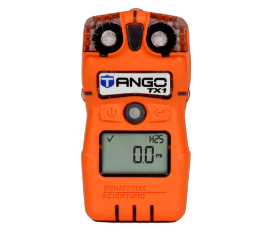
Single-Gas Monitor
Tango® TX1
Enjoy maintenance-free gas detection, improve worker safety, and make use of DualSense® Technology, which uses redundant sensors to give accurate gas readings and reduce the risk of device failure.
View the Tango TX1 -
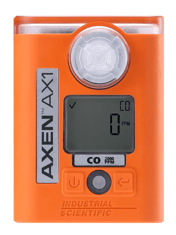
Single-Gas Monitor
Axen™ AX1
Protect workers in hazardous environments with the Axen™ AX1: a compact, lightweight, and robust Portable Single Gas Monitor with rapid sensor response time so workers can better take action during dangerous situations. *Available in North America and select Latin America only
View the Axen AX1 -
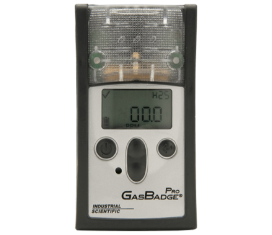
Single-Gas Monitor
GasBadge® Pro
Simplify hazard detection by using a single-gas monitor with the features of a multi-gas monitor. Plus, adapt to detect a number of unsafe gases with interchangeable sensors.
View the GasBadge Pro -
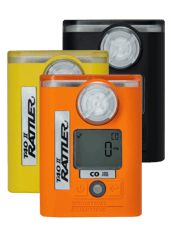
Single-Gas Monitor
T40 II Rattler™
The T40 II Rattler is a robust, easy-to-wear portable single-gas monitor that detects hazardous gases with fast, reliable response times, allowing workers to react quickly when conditions become dangerous. *Available in Asia Pacific, Europe, Middle East, Africa, and Turkey only
View the T40 II Rattler
https://www.indsci.com/en/gas-detectors/single
Get Updates