Key Takeaways:
- With the right practices, gas monitors can withstand even the harshest of weather conditions.
-
Extreme temperatures drain batteries and disrupt sensors, so store them properly and calibrate often.
- Humidity, rain, and dust can block sensors—wipe dry, inspect filters, and use protective covers.
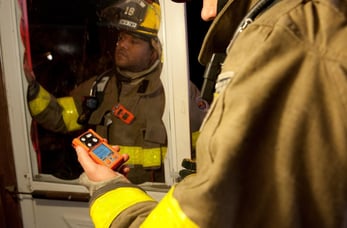
 Our gas monitors are built to withstand tough, rugged conditions, but no technology is invincible from extreme weather. Especially when there are highly complex sensors in those monitors, dust storms, heat, cold—you name it—can push a device to its limits.
No one can predict the weather, but with the right practices, workers can trust their monitors will work even in the harshest conditions.
To get all our tips, tricks, and insights on managing your fleet in extreme weather, check out our free eBook.
Extreme Heat
When a monitor is left in high heat for a while, batteries drain faster, sensors drift, and it becomes unsafe to use in the field. We’re not just talking about hot days—monitors that are left in vehicles can overheat before anyone can strap one on.
The best practice is prevention:
- Avoid storing devices in hot spots
- Allow time for stabilization before use (when ambient temperatures rise above 40 °C (104 °F)
- Calibrate more often during warmer months
Extreme Cold
Freezing temperatures are just as dangerous for monitor health. When a monitor is left out in the cold for too long, batteries drain faster, sensors respond slower, the aqueous electrolytes inside electrochemical sensors freeze, and displays can dim or break.
Our monitors, like the Radius BZ1, Ventis MX4, and MX6 iBrid can operate in temperatures as low as 20 °C (–4 °F), while the Ventis Pro5 can operate in temperatures as low as –40 °C (–40 °F).
The rule of thumb is simple: if it’s too cold for the worker, it’s too cold for the monitor. With proper care, devices can continue to provide accurate, life-saving data throughout the cold season.
High Humidity & Rain
In high-humidity environments, condensation can collect inside sensors, which slows their response to hazardous gases. Rain or direct water spray can obstruct sensor openings or corrode electronics, leading to unreliable performance over time. Even charging docks and accessories are vulnerable if they’re left in damp conditions.
Our recommendation? Choose monitors with the correct IP ratings for your environment; it’s the first line of defense. Still, be sure to wipe monitors of moisture after use, bump test and calibrate monitors as directed, and avoid long-term storage in damp or humid areas.
Dust and Particulate Exposure
Dust and fine particles can clog sensors and block filters, and when the clogs become significant, monitors can no longer make accurate readings.
To maintain gas monitors in dusty environments, workers should:
- Inspect sensors and filters daily
- Replace filters immediately if they're clogged or visibly coated with dust
- Store monitors in sealed cases when they're not being used
Weather is unpredictable, but gas monitor reliability doesn’t have to be. By understanding how environmental extremes affect sensors and batteries, adopting condition-specific practices, and leveraging connected safety technology, you can protect your workers in any climate.
Learn more about protecting your people in any environment by downloading our free eBook, Managing Gas Monitors in Extreme Weather Conditions.