mobile menu close icon mobile menu icon

Ammonia Gas Detector (NH3)

Ammonium hydroxide, also known as aqueous ammonia, is a common solvent in cleaning products and ingredient in food products and fertilizers. Anhydrous ammonia (NH3) is the pure gas or compressed liquid form of ammonia that contains no water. This form is used in fertilizers, explosives, agriculture, cleaning fluids, and certain pharmaceuticals. Food and beverage companies also use many tons of ammonia for refrigeration, flash freezing, and bulk storage, all running the risk of gas releases. Talk to one of our experts today about our ammonia detector and other gas detector products.

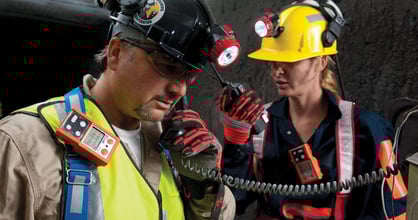
ammonia detector on site
Sections

How to Detect Ammonia

Industrial Scientific has a range of ammonia detector products, including: single-gas detector GasBadge® Pro, multi-gas detectors Ventis® Pro5 and MX6 iBrid®, and the Radius® BZ1 Area Monitor. Our ammonia detector products reliably detect low ppm ammonia within a specified range.

Multi-Gas Monitor

Ventis Pro5

learn more arrow icon
Multi-Gas Monitor

MX6 iBrid

learn more arrow icon
Single-Gas Monitor

GasBadge Pro

learn more arrow icon
Area Monitor

Radius BZ1

learn more arrow icon

Characteristics of Ammonia (NH3)

Ammonia is a colorless gas with a strong, pungent odor commonly found in industrial environments. It is characterized as flammable, although it is difficult to ignite. When heated, it can release hazardous gases, including nitrogen oxides (NOx). Ammonia exposure can irritate the eyes, skin, and respiratory system, especially at higher concentrations. An ammonia gas detector helps identify leaks early and protect workers.

More about Ammonia expand table collapse table

AMMONIA - NH3

Hazard:
Flammable
Difficult to burn, LEL 15%
Classification:
Health
Extremely Toxic
Synonyms:
Anhydrous ammonia, aqua ammonia, aqueous ammonia
Exposure limits:
(OSHA)
PEL\TWA: 50 ppm.
(ACGIH)
STEL: 35 ppm/ 15 min.
(OSHA)
IDLH: 500 ppm / 30 min.
Industries:
Fertilizer plants, poultry farms, food processing, refrigeration, chemplants

Effects of Various NH3 Levels

Ammonia Level in PPM
Resulting Conditions on Humans
0-25
Minor irritation of the eyes and respiratory tract.
25
Permissible Exposure Limit (OSHA).
50-100
Swelling of the eyelids, conjunctivitis, vomiting, irritation of the throat.
100-500
Concentrations are dangerously high, irritation becomes more intense. Death can result from highly concentrated, prolonged exposure.


Frequently Asked Questions

What is ammonia (NH3)?

Ammonia (NH3) is a colorless gas with a strong, pungent odor, made up of nitrogen and hydrogen. It is widely used in industries such as agriculture, refrigeration, cleaning, and chemical manufacturing. While useful, ammonia can become hazardous when released into the air in high concentrations.

Why is ammonia gas detection important?

Ammonia gas detection is critical for protecting workers in environments where NH3 s used or stored. Because ammonia is toxic and can quickly reach dangerous levels, early detection helps prevent exposure, reduce risk, and support faster response to leaks or releases.

What does an ammonia gas detector do?

An ammonia gas detector continuously monitors the air for NH3 and alerts workers when concentrations exceed safe levels. It provides real-time readings and immediate alarms, helping teams quickly identify leaks and take action to prevent exposure.

What level of NH3 causes an ammonia gas detector to alarm?

Ammonia gas detectors are typically set with multiple alarm thresholds. Common settings include a low alarm around 25 ppm (aligned with occupational exposure limits) and a high alarm around 35 ppm or higher, depending on site requirements. These alarms provide early warning before conditions become hazardous.

How often should an ammonia gas detector be calibrated?

Ammonia gas detectors should be calibrated regularly based on manufacturer guidelines and site safety policies. Routine calibration helps ensure accurate readings and reliable performance in changing environmental conditions.


https://www.indsci.com/en/ammonia-detector-nh3